
A pillow is one of the most familiar objects in the home. We see it every day. We touch it with our face. We lean our back against it. When we need to relax, we simply hold it in our hands or place it on our lap.
At the same time, the pillow remains the “invisible hero” of our everyday life.
As long as it is there and performs its function, we almost don’t pay attention to it. It is enough to lose a comfortable pillow for just one night – and you immediately feel how important it is. Without a favorite pillow, sleep becomes restless, the body cannot fully relax, and the morning greets us gloomily and unfriendly.
The pillow as a physiological necessity
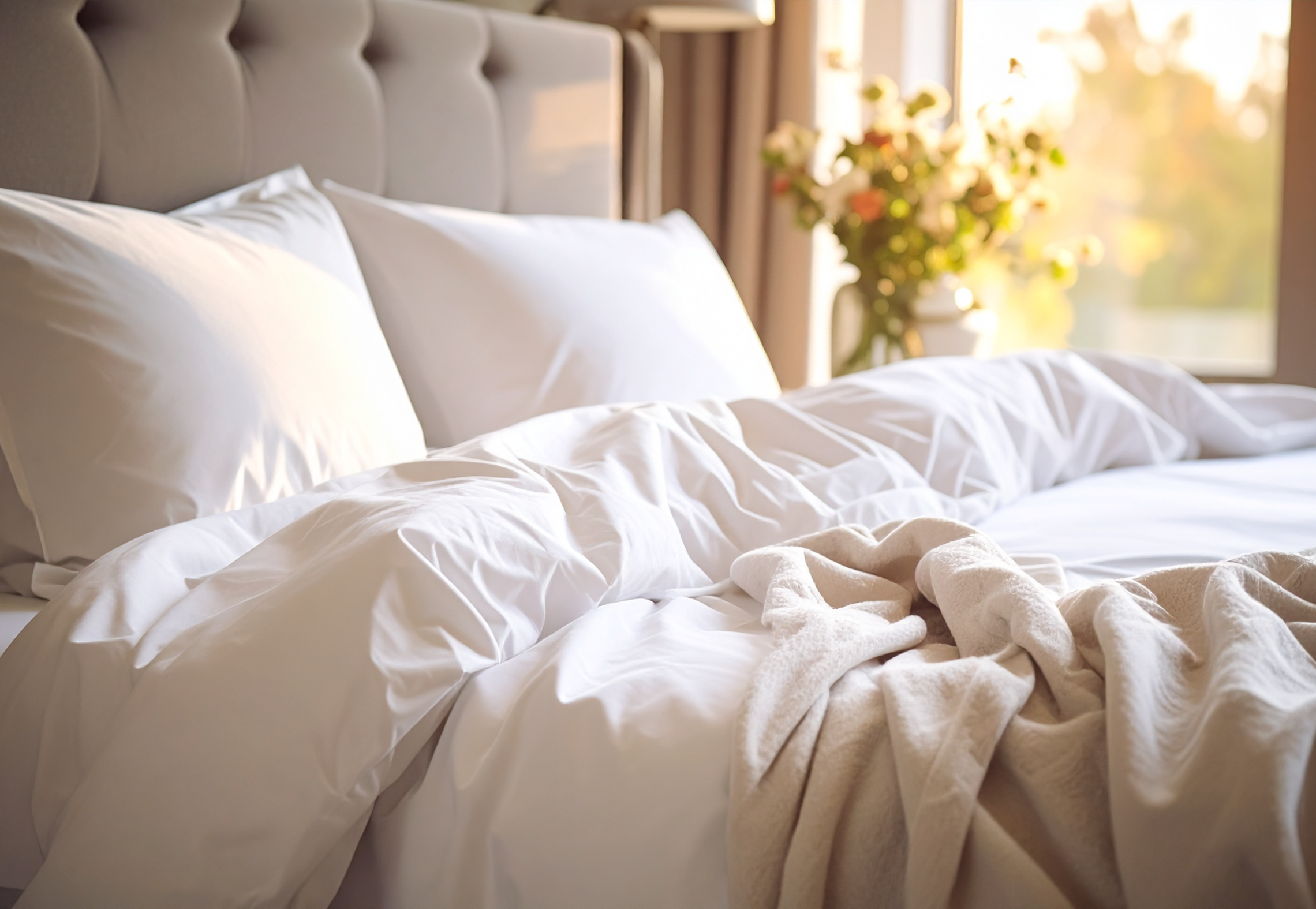 A pillow accompanies a person throughout life – from a thin baby pillow in a stroller to orthopedic models in adulthood. The shape, filling, and size change, but one thing remains unchanged – the pillow symbolizes comfort and calm.
The pillow and sleep
During sleep, the body recovers, and the psyche prepares for the new challenges of the coming day. The pillow plays not a decorative, but a functional role in this process. It:
- supports the neck and head in a physiologically correct position;
- helps the spine maintain its natural curves;
- reduces the load on the muscles of the shoulder girdle.
If the pillow is chosen incorrectly, the neck muscles are forced to work even during sleep. From here come pains, dizziness, the feeling of a “cotton head” in the morning, and fatigue. Therefore, careful selection of a pillow is not a whim but an element of health care.
.png) Modern textiles offer a whole “family” of pillows:
Modern textiles offer a whole “family” of pillows:
- classic ones with natural filling;
- synthetic ones, inexpensive and easy to care for;
- bamboo pillows and others made with exotic materials;
- memory-foam, anatomical, orthopedic.
Each of them is designed for a certain type of sleep, posture, body build, and even a person’s temperament.
Pillows and the psychology of comfort
A pillow is not only physical comfort but also emotional comfort. Soft objects traditionally evoke a sense of security in a person. It is no coincidence that a child hugs a soft toy or the corner of a blanket – tactile confirmation of “everything is fine” is important.
In adulthood, the pillow often takes over the role of the toy. We:
- hug it when we feel sad;
- tuck it at our side to feel warmer;
- place it under our head to “switch” thoughts before sleep.
A pillow helps relieve stress through tactile contact. Soft fabrics and fillings calm the nervous system, and the sense of coziness they create reduces anxiety levels. This explains why people like to “wrap themselves” in pillows and why a hotel room seems truly comfortable only when there are several soft pillows on the bed.
The pillow as part of the image of the home
Pillows are used not only in the bedroom. They are appropriate on the sofa, armchairs, window sills, and even on the floor. Decorative pillows:
- shape the style of the interior;
- make the space visually warmer;
- invite you to enjoy rest.
They can completely change the character of a room. Contrasting pillows will add energy, pastel ones will create an atmosphere of calm, and textured ones will emphasize the individuality of the owners.
There is even an unspoken “psychology of quantity”. People surrounded by many pillows usually value the feeling of coziness and a “home cocoon”. Minimalists limit themselves to one or two, emphasizing conciseness and order.
The history of the pillow. From luxury to norm
There was a time when pillows were a luxury item. They were kept as the highest value. Passed down as inheritance. In some cultures, they had sacred meaning and were used in rituals and ceremonies.
Today the pillow has become the norm, but the attitude toward it remains just as reverent – many people have a “favorite pillow” without which it is difficult to fall asleep even in the most luxurious hotel.
Pillows in everyday rituals
Today a pillow is present in many small life scenes:
- reading or watching a movie with a pillow under the back;
- late-night conversations while leaning against a soft pile of pillows;
- pillow fights in childhood.
A pillow participates in our emotions and becomes part of personal memories. It is a quiet companion in life that is always nearby yet never asks for anything.
There can never be too much comfort
A pillow is a small object that works for a high quality of life. It:
- affects spinal health and full sleep;
- forms a sense of home coziness;
- helps to cope with stress;
- reflects a person’s character and habits.
So one pillow is functionality, while many pillows are already a lifestyle. And yes, there can never be too much comfort. There is always just a little bit of it missing.
Textile signs of different peoples is a topic that was discussed in the previous blog.