
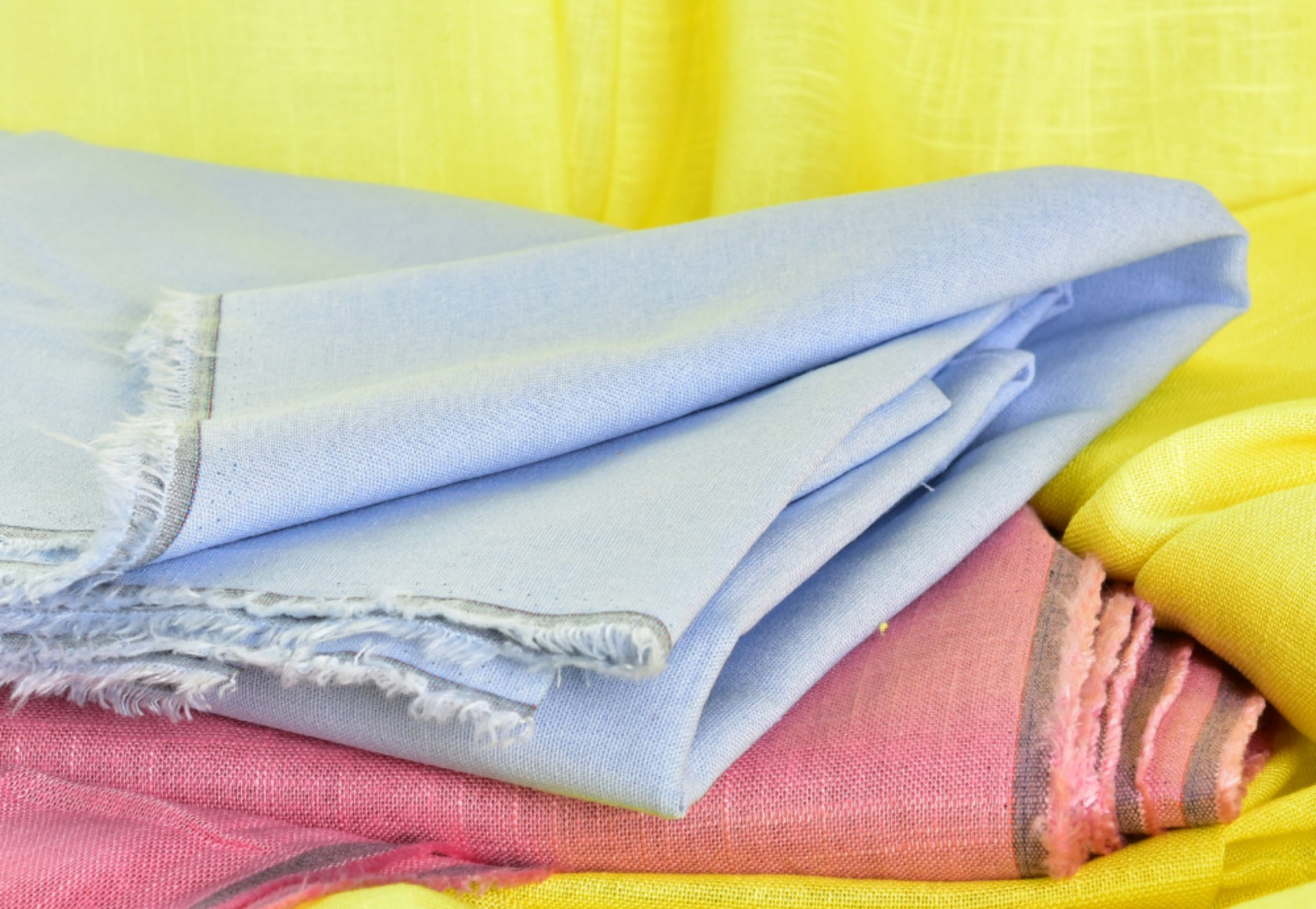
 In 2025, textile industry trends have split into two main directions:
- toward affordability and practicality – needs that modern synthetic materials can fully satisfy;
- toward naturalness and sustainability.
Among the wide variety of natural materials, special attention from both buyers and manufacturers is drawn to tencel, bamboo, and linen. These are three textile materials with a natural base. Their plant-based fibers perfectly meet the demands of modern consumers:
- they are eco-friendly;
- hypoallergenic;
- versatile in use;
- pleasant to the touch and visually appealing.
The modern textile industry supports and is capable of meeting both of these directions. While paying great attention to affordable, safe, and practical synthetic fabrics, it also continues to cater to admirers of natural fibers.
Tencel (Lyocell). A Stylish Alternative to Cotton
Tencel is a material derived from wood pulp (most often eucalyptus), produced using a closed-loop, environmentally safe process.
Advantages of Tencel include:
- extremely soft and pleasant to the touch;
- excellent at absorbing moisture and allowing the skin to breathe;
- hypoallergenic – suitable for sensitive skin;
- resistant to wear, maintains shape and color after multiple washes;
- biodegradable and safe for the environment.
Tencel is used in the production of a wide range of textile products:
- bed linen;
- sleep and loungewear;
- children’s textiles;
- festive and everyday clothing.
In terms of performance, tencel combines the best qualities of cotton, silk, and viscose.
Bamboo. Natural Freshness and Antibacterial Properties
.png) Bamboo fabric is another striking example of sustainable textile innovation.
Bamboo fabric is another striking example of sustainable textile innovation.
Benefits of bamboo textiles include:
- inherent antibacterial properties;
- regulates body temperature – keeps you cool in summer and warm in winter;
- does not cause irritation, suitable for allergy sufferers;
- strong, yet soft and elastic;
- highly breathable and does not accumulate static electricity.
Bamboo textile is used in the production of:
- bed linen;
- towels;
- underwear;
- sportswear;
- baby products.
Bamboo fiber is derived from the pulp of young bamboo shoots, making it a rapidly renewable and eco-friendly raw material.
Linen. A Time-Tested Classic in a Modern Interpretation
.png) Linen is one of the oldest and most respected natural materials, and in 2025, it’s experiencing a new wave of popularity.
Linen is one of the oldest and most respected natural materials, and in 2025, it’s experiencing a new wave of popularity.
Key benefits of linen fabric:
- a natural antiseptic – does not harbor bacteria;
- excellent moisture-wicking and quick-drying properties;
- durable, resistant to wear and frequent washing;
- easily recognizable for its unique texture and elegant appearance;
- biodegradable and environmentally friendly.
Linen is widely used in the production of various textile items:
- clothing;
- table and kitchen textiles;
- curtains;
- summer bedding sets;
- home decor.
Thanks to modern processing techniques, contemporary linen has become even softer, more flexible, and more comfortable for everyday use.
2025 Trend – A Move Toward Conscious Choices
In 2025, choosing fabrics made from tencel, bamboo, and linen means more than just caring for your comfort and health – it’s also a contribution to responsible consumption. These materials align perfectly with current demands for naturalness, minimalism, and sustainable development. They are durable, elegant in appearance, and suitable for both everyday use and premium applications.
Read HERE how to choose fabrics foe people with alergic.